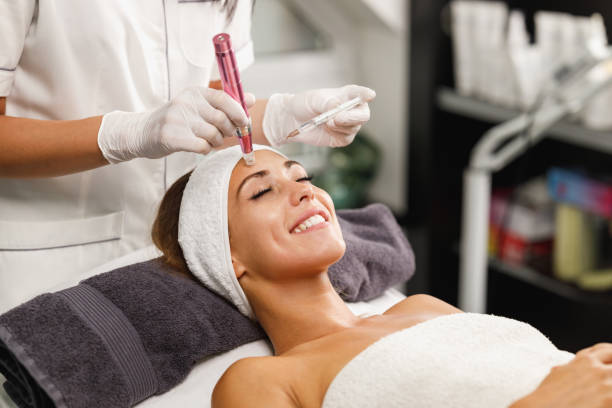
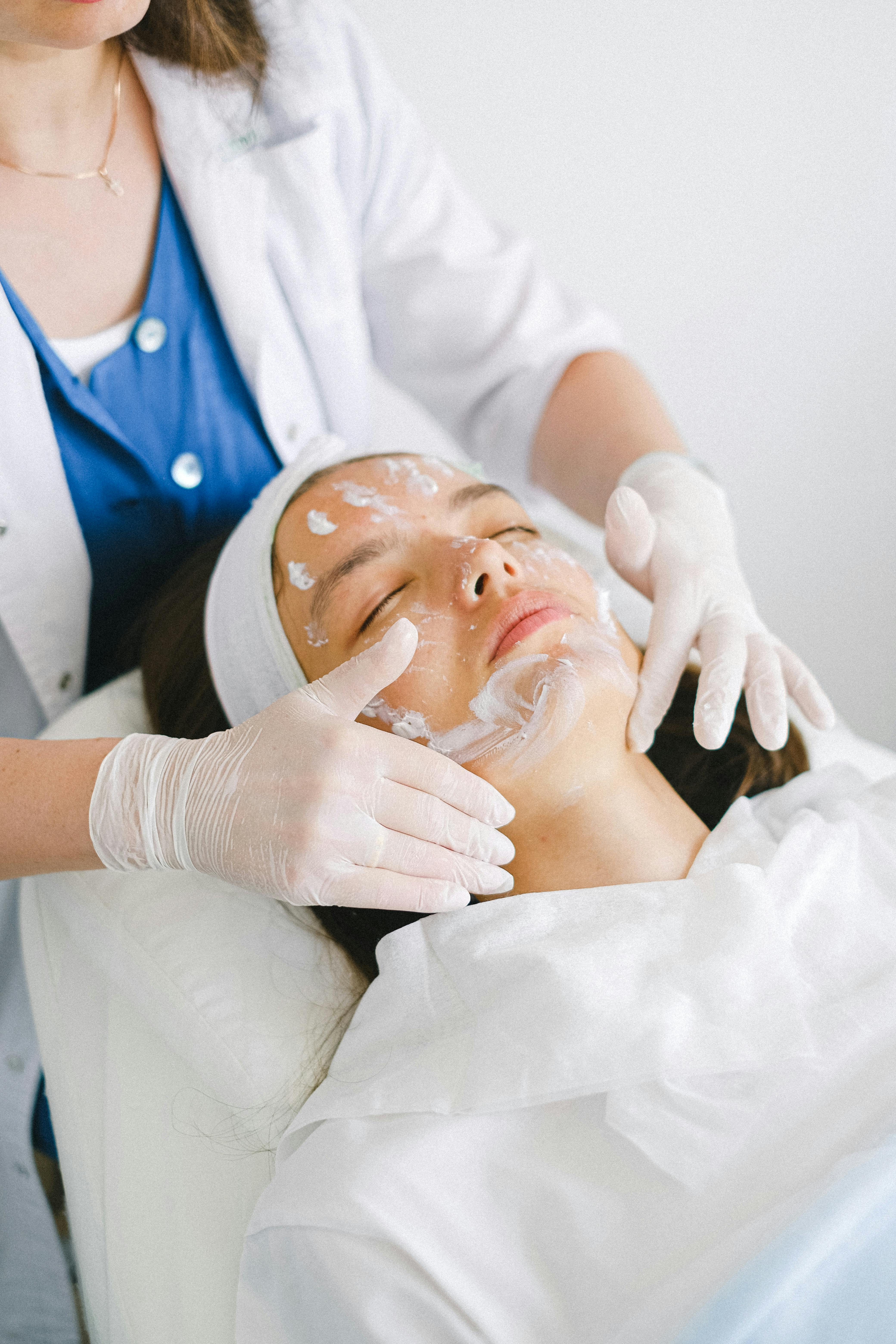
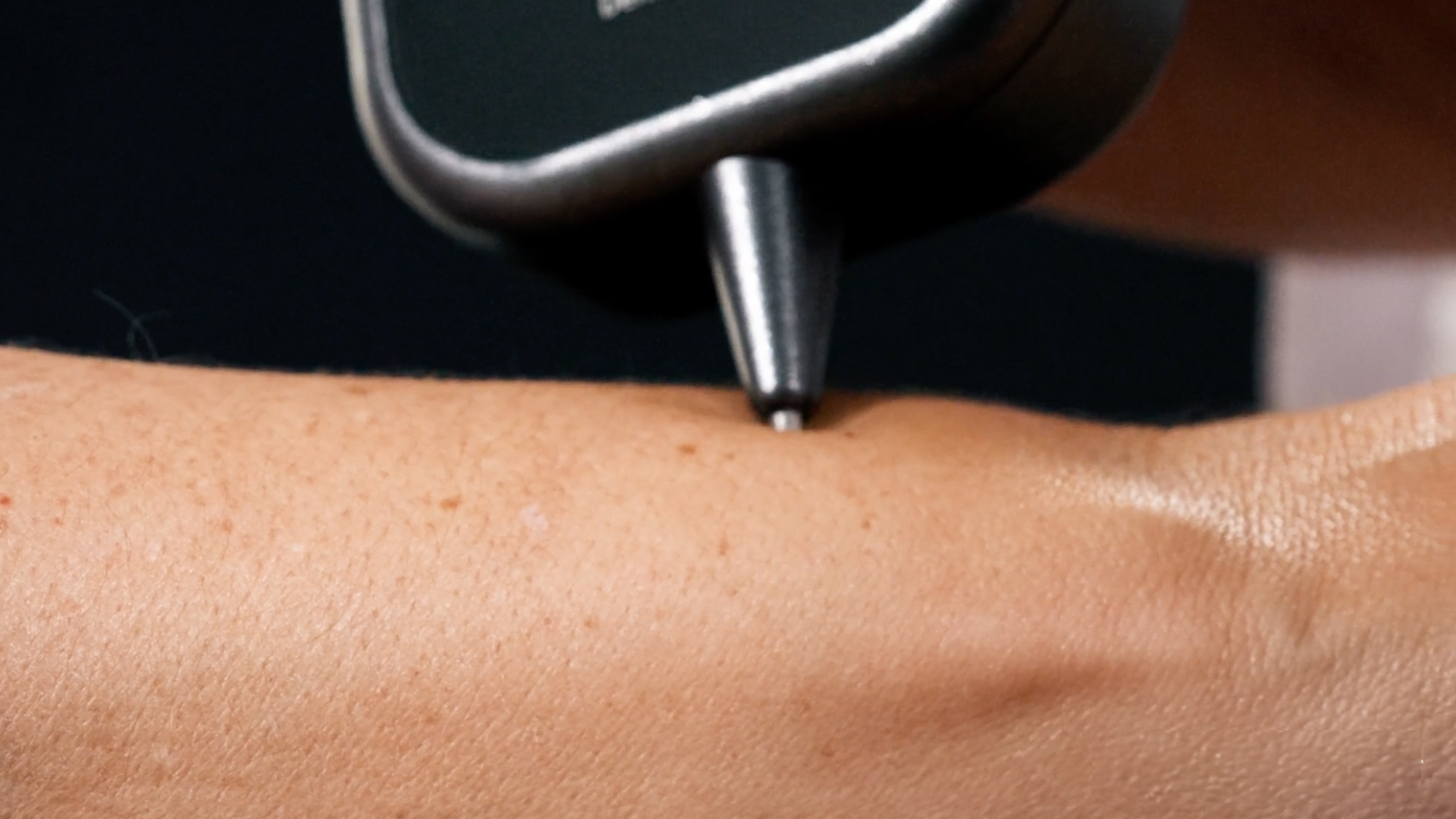
When it comes to facial rejuvenation, the goal isn’t just to look younger, ok maybe it is, but how great would it be to actually achieve healthier skin that looks great! That’s where Virtue RF stands apart. This advanced radiofrequency microneedling treatment doesn’t simply mask signs of aging, it works at a cellular level to improve the quality, strength, and vitality of your skin.
Virtue RF delivers controlled radiofrequency energy through ultra-fine microneedles, stimulating collagen and elastin while enhancing skin function. The result? Healthy skin that naturally looks brighter, firmer, and more refreshed.
One Treatment. Many Benefits.
Virtue RF is a multitasking powerhouse for both the face and neck, addressing several concerns at once:
Improves skin texture and tone
Softens fine lines and wrinkles
Firms and tightens lax skin (especially around the eyes)
Reduces pore size
Enhances overall skin resilience and glow
Because Virtue RF treats the deeper layers of the skin while preserving the surface, results look natural, never overdone. Patients often describe looking well-rested, refreshed, and more confident, rather than “treated.” An additional bonus is all of this is accomplished with no downtime.
Face + Neck: The Perfect Pair
The face and neck age together, yet the neck is often overlooked. Treating both areas creates balanced, harmonious results, and when the skin is healthier, it shows everywhere.
Special Offer
For a limited time:
Purchase a series of Virtue RF face treatments and receive your neck series FREE.
It is the ideal opportunity to invest in skin health from the face down, because when your skin is healthy, it simply looks better.
Schedule your consultation today and discover how Virtue RF can refresh your skin from the inside out.
The New Year is the perfect time to refocus on self improvement, but real results don’t come from trends or one-size-fits-all treatments. They come from a personalized skin plan designed around you.
At Simply You by Stef, every client starts with a thoughtful consultation. We take the time to understand your skin concerns, goals, lifestyle, and past experiences before recommending anything. Your skin is unique, and your plan should be too.
We also believe great results should feel achievable. That’s why we design treatment plans that respect your budget, work with your schedule, and fit realistically into your life, whether that means gradual improvements over the year or targeted treatments for specific goals.
The benefit of starting the year with a customized plan is clarity. You know what you’re doing, why you’re doing it, and what to expect next. Over time, this intentional approach leads to more natural, consistent, and confidence-boosting results.
This year, skip the guesswork. Start with a plan and let your skin reflect it.
Book your complimentary New Year skin consultation and create a plan designed just for you.
By Stefani Heisler, PA-C | Owner & Aesthetic Specialist, Simply You By Stef
Reader Question Janice, 57, a nonprofit director from Winter Park, asks: “I’m not ready for a facelift, but I’m starting to see sagging around my jawline. Can RF skin tightening really help—or is it just hype?”
Introduction Let’s be honest: not everyone wants to go under the knife for younger-looking skin—and not everyone needs to. At Simply You by Stef, we see a growing number of women (and men) in their 40s, 50s, and even 60s looking for ways to tighten, lift, and smooth their skin without surgery. That’s where radiofrequency (RF) skin tightening combined with microneedling comes in. This non-invasive treatment uses heat-based energy to stimulate collagen, improve firmness, and contour your face and neck—no scalpel, no stitches, no downtime. It’s not a facelift. But for many clients, it’s the refresh they were hoping for—minus the recovery.
What You Should Know RF energy gently heats the dermis via gold tipped micro needles , the deeper layer of the skin, without damaging the surface. This heat stimulates collagen and elastin production, tightening the skin over time. Unlike lasers, which are very destructive and have definite downtime, RF promotes skin health while also lifting and tightening from within. It’s safe for all skin tones and types and requires zero downtime.
What RF Skin Tightening Can Do:
Firm mild to moderate skin laxity (jowls, neck, cheeks)
Define jawlines and soften “marionette lines”
Improve fine lines and early wrinkles
Smooth crepey skin on face, neck, and chest
How It Works:
A handheld device gently introduces 36 gold tip needles into the skin while also delivering controlled RF energy
The skin heats to a therapeutic temperature (you’ll feel warmth, not pain)
Your body responds by producing fresh collagen over the next 4-6 months
Expert Insight “For the right client, RF is a game-changer. It’s ideal for those noticing early signs of laxity who want to delay or avoid surgery. It’s also fantastic for people who’ve already had filler but need skin tightening, not volume.” — Stefani Heisler, PA-C Industry Insight The American Academy of Dermatology states that non-invasive skin tightening with RF is one of the most requested aesthetic treatments among women ages 40–60. Recent studies published in the Journal of Clinical and Aesthetic Dermatology show that RF treatments can improve skin laxity by up to 37% over three sessions, with long lasting results depending on maintenance.
Real Client Perspective “I hated how soft my jawline was starting to look. I wasn’t ready for surgery, and I didn’t want filler in that area. Stef recommended RF, and by my second session, I already saw definition coming back. It’s subtle—but so worth it.” — Kara, 49
Comparison: RF Tightening vs. Facelift Feature RF Skin Tightening Surgical Facelift Invasiveness Non-invasive Surgical, requires anesthesia Downtime None 2–3 weeks Results Subtle to moderate Dramatic, long-lasting Cost $400–$3,000 depending on area $10,000-20,000+ Maintenance Annual touch-ups recommended Lasts 5–10 years
Solutions We Provide at SYBS
Virtue RF Microneedling – Combines needling + RF for texture and lift
Face & Neck & Décolletage Packages
Jawline Contour Series Related Skincare Recommendations
Crown Aesthetics Biojuve- (pre- and post-treatment support)
Sente Dermal Repair Cream
Firming moisturizers for daily use
Broad-spectrum SPF 50 to maintain results
Ask Stef! Thinking about RF but not sure where to start? Email: AskStef@SimplyYouByStef.com Follow: @SimplyYouByStef on Instagram & Facebook Subscribe: to Simply Skin by Stef Forward: this to a friend ready for their skin reboot We might feature your question—and give you a free RF add-on for your neck at your next visit!
What Exactly Is a Physician Assistant (PA-C)—And Why They’re a Critical Bridge in Not Only Your Beauty, But Your Health
When it comes to medical aesthetics, most people focus on results: smooth skin, balanced features, a little glow that whispers “vacation” without the airfare. But behind those results is someone with a needle—and ideally, a license, a medical degree, and thousands of hours of training.
At Simply You by Stef, that “someone” is Stefani Heisler, PA-C. And while the letters after her name might look clinical, they represent something deeply personal: a provider who’s trained in medicine and aesthetics, who’s equipped to spot more than just wrinkles, and who takes your safety, confidence, and long-term health seriously.
So what exactly is a PA-C—and why should it matter to you, whether you’re here for Botox, skincare guidance, or a suspicious spot on your shoulder?
Let’s break it down.
What Is a PA-C?
PA-C stands for Physician Assistant – Certified. This isn’t a casual title—it means your provider has:
Completed a master’s-level medical program
Passed a national board certification exam (PANCE)
Is licensed to diagnose, treat, and prescribe medications in all 50 states
Must complete continuing education (CEUs) and recertification every few years
Trains across specialties: dermatology, surgery, internal medicine, emergency care, and more
What Can a PA-C Do?
With the proper training and licensure, PA-Cs are legally authorized to:
✅ Take medical histories ✅ Perform physical exams ✅ Order and interpret diagnostic tests ✅ Diagnose and treat both acute and chronic medical conditions ✅ Prescribe medications—including antibiotics, antivirals, dermatologic drugs, and even controlled substances (in Florida) ✅ Perform medical procedures like biopsies, suturing, injections, laser therapies ✅ First-assist in surgeries under a supervising physician ✅ Refer patients to specialists like dermatologists, oncologists, or plastic surgeons
PA-Cs in Hospitals, Surgery, and Dermatology
In hospitals, PA-Cs manage patient rounds, write orders, assist in surgeries, and even close incisions in the OR.
In dermatology, PA-Cs identify, biopsy, and manage skin cancers, rashes, cysts, and acne.
In aesthetic practices, PA-Cs perform injectables, skin procedures, and serve as a diagnostic safety net—especially with tools like DermaSensor™, now available at SYBS.
Why It Matters
When you see “PA-C” after your provider’s name, you’re not seeing a technician. You’re seeing a licensed medical professional who brings clinical judgment, safety protocols, and evidence-based care to the chair.
This is especially critical as medical aesthetics merges with preventive care, such as:
Spotting suspicious moles or lesions
Managing skincare in medically complex clients
Referring to dermatologists when needed
Supporting clients through hormonal changes, surgical recovery, and skin diseases
Expert Insight from Stef
“As a PA-C, I wear two hats: clinician and aesthetic artist. I don’t just inject—I assess anatomy, rule out contraindications, and guide clients through their skin health journeys with both beauty and health in mind. I’m trained to know when to enhance—and when to refer. And that’s what builds long-term trust.” — Stefani Heisler, PA-C
What Sets Stef Apart
Beyond the national requirements, Stef brings:
25 years of experience in dermatology, internal medicine, and medical aesthetics
Ongoing continuing education in injectables, anatomy, skincare chemistry, and AI diagnostic tools like DermaSensor™
Hands-on training in:
Neuromodulators (Botox®)
Dermal Fillers (Juvederm®, Restylane®, Sculptra®)
RF Microneedling (Virtue)
Medical-grade skincare protocols for melasma, acne, aging, and sensitivity
Early adoption of FDA-cleared diagnostic technology for skin cancer screening
She continues to take national CEUs (Continuing Medical Education) each year and actively trains other providers on facial anatomy and patient-centered consultations.
PA-C vs. Other Providers
Title
Training Level
Scope of Practice
PA-C
Master’s in Medicine
Diagnose, prescribe, treat, perform procedures
NP
Master’s in Nursing
Similar to PA; clinical + prescribing authority
RN
Nursing degree
May inject under supervision in some states; no diagnosing authority
Esthetician
Skincare-focused certification
Licensed for facials, waxing, and topical care only
MD/DO
Doctorate + residency
Full scope + surgical practice
Final Thoughts
Whether you’re booking Botox, a skin assessment, or a skincare consultation, it’s essential to understand your provider’s credentials, training, and experience.
A PA-C isn’t “just an injector.” At SYBS, it’s your first line of personalized, medically informed, aesthetic care—led by someone who can enhance your beauty and protect your health at the same time.
Ask Stef!
Have a question about qualifications, certifications, or how we blend aesthetics with clinical safety?
Email: AskStef@SimplyYouByStef.com Follow: @SimplyYouByStef Subscribe: Simply Skin by Stef Forward: this to someone who wants the science behind the syringe If we feature your question, you’ll receive a complimentary skin consultation + SPF trio kit at your next appointment!
Part 3: Prevention for You—and Protection for Your Family By Stefani Heisler, PA-C | Owner & Aesthetic Specialist, Simply You By Stef
Reader Question
Tracy, 42, a mom of two from Maitland, asks: “I’ve become more careful about my own sun exposure, but I’m worried I’ve already done damage—and I don’t want my kids to repeat my mistakes. What’s the best way to protect our whole family?”
Introduction
Here’s a powerful truth: Most skin cancer is preventable.
And while you can’t undo every sunburn from your teenage years (trust me—we all made mistakes), you can take smart, protective steps today that benefit your skin long-term—and help the next generation stay safer from the start.
At Simply You by Stef, we believe prevention is the most loving form of skincare. Not just for your glow—but for your future. This article isn’t about shaming past choices. It’s about protecting what you have and empowering your family to do the same.
What You Should Know
Skin cancer is the most common cancer in the U.S., and many cases are linked to early-life UV exposure.
One blistering sunburn in childhood doubles the risk of melanoma later in life¹
Tanning bed use before age 35 increases melanoma risk by 75%¹
80–90% of skin aging comes from sun exposure, not age¹
That means your SPF isn’t just a skincare product—it’s your anti-cancer, anti-aging, confidence-preserving, family-saving superpower.
How to Prevent Skin Cancer: The Simple, Smart Way
1. Apply SPF. Every day. Yes, even if it’s cloudy.
Choose a broad-spectrum SPF 30–50, and apply it to your face, neck, chest, and hands every morning. Reapply every 2 hours when outdoors.
Stef’s pick? EltaMD UV Clear SPF 46—tinted or sheer, acne-friendly, and blends like a dream.
2. Protect Your Kids—Without the Battles
Use spray or stick sunscreens for quick coverage
Apply before leaving the house (not on the beach)
Make it part of the routine—like brushing teeth
Set the example: if you wear it, they will too
We recommend SPF 50+ mineral formulas for kids under 6.
3. Avoid Midday Sun (10 AM – 2 PM)
UV rays are strongest then—plan walks, pool time, and playground visits accordingly. Look for shade when possible.
4. Wear Protective Clothing
Wide-brimmed hats. Sunglasses. UPF-rated shirts for outdoor sports. They make a huge difference, especially in kids and people prone to burns.
5. Use the DermaSensor™ (or Get a Skin Check)
Annual checks are essential for adults over 40—and smart for younger clients with risk factors. If you notice a new spot, weird mole, or change in skin texture—don’t wait.
Expert Insight
“Skin cancer prevention doesn’t have to be perfect—it has to be intentional. Start small. Apply SPF every morning. Put sunscreen in your kids’ backpacks. Teach them why their skin matters. You’re not just protecting their skin—you’re modeling lifelong habits.” — Stefani Heisler, PA-C
Industry Insight
The Skin Cancer Foundation and American Academy of Pediatrics recommend:
Daily SPF for all children over 6 months
Avoiding tanning beds entirely
Monthly skin self-checks starting in early adulthood
Teaching kids to speak up about new or painful skin spots
The good news: With consistent sunscreen and smart habits, many people dramatically lower their lifetime skin cancer risk.
Real Client Perspective
“My daughter came home sunburned after camp, and I realized I wasn’t modeling sunscreen use like I thought. Stef helped me build a ‘sun plan’ for both of us—and now it’s just part of our day. She even reminds me to reapply!” — Kara, 39
Family-Focused Skin Cancer Prevention Plan
Group
Prevention Steps
SYBS Tip
Adults
SPF daily, DermaSensor scan, check moles monthly
Add SPF to skincare tray with moisturizer
Kids/Teens
Apply before school/outdoor play, use UPF shirts/hats
Keep stick sunscreen in every bag
Seniors
Monitor dry/itchy spots, schedule annual checks
Gift them a gentle SPF + skin check voucher
Final Thoughts
Preventing skin cancer isn’t complicated—it’s just consistent. You don’t need to fear the sun—but you do need to respect it. Every time you reach for sunscreen or remind your child to wear a hat, you’re making a choice that protects your family for years to come.
And if you’ve been putting off a skin check—this is your sign. Book it.
You take care of your skin because it takes care of you. Let’s keep it that way.
SYBS Solutions for Early Detection
Full-body skin assessments using DermaSensor™
On-site documentation and referral assistance
Fast-track referrals to board-certified dermatologists
Annual screening packages for high-risk clients
Spot-checks as part of cosmetic consultations
This service is low-cost, accessible, and available without a referral.
Ask Stef!
Got a spot you’ve been ignoring?
Email: AskStef@SimplyYouByStef.com Follow: @SimplyYouByStef Subscribe: to Simply Skin by Stef Forward: this to a friend who’s “keeping an eye on something”
Part 2: Introducing DermaSensor™—The Smartest Skin Check You’ve Never Heard Of By Stefani Heisler, PA-C | Owner & Aesthetic Specialist, Simply You By Stef
Reader Question
Joel, 54, an avid golfer from Winter Park, asks: “I’ve had the same spot on my arm for years, and I don’t want to overreact—but I also don’t want to miss something serious. I hate the idea of waiting six months for a derm appointment. What can I do?”
Introduction
Here’s a not-so-fun fact: The U.S. is facing a shortage of dermatologists—and patients often wait weeks or even months for a simple skin check.
But what if you could get a real-time, non-invasive, FDA-cleared skin cancer assessment in the comfort of your local medspa?
Enter DermaSensor™, one of the most exciting medical technologies in skin cancer detection—and now available at Simply You by Stef.
We are proud to be one of the first aesthetic practices in Central Florida offering this life-saving device. And no, you don’t need a referral or waitlist to access it.
What Is DermaSensor™?
DermaSensor™ is a handheld, AI-powered device that helps healthcare providers evaluate suspicious skin lesions in real time—without cutting, scraping, or waiting.
It uses Elastic Scattering Spectroscopy (ESS)—a safe, light-based technology that reads beneath the surface of the skin and provides instant risk assessments for all three common skin cancers:
Basal Cell Carcinoma (BCC)
Squamous Cell Carcinoma (SCC)
Melanoma
Highlights:
FDA-cleared in 2023
Non-invasive (just light—not heat, not lasers)
Assessment takes less than 60 seconds per lesion
Uses AI to analyze molecular structures in skin tissue
Helps accelerate referrals to dermatologists when needed
Expert Insight
“This is one of the most important diagnostic advancements I’ve seen in 25 years of practice. It doesn’t replace dermatologists—it empowers providers like me to identify concerning lesions early, and make informed referrals before the risk escalates.” — Stefani Heisler, PA-C
Clinical Performance Overview
DermaSensor has been tested in large-scale, peer-reviewed, international studies. Here’s how it performed:
DERM-SUCCESS Study (1,005 patients | 224 skin cancers)
Sensitivity: 95.5% (vs. PCPs 83%)
Negative Predictive Value (NPV): 96.6%
AUROC (Accuracy): 0.803
Result: More accurate detection of skin cancers than primary care providers
“I’d been ignoring a dark spot on my shoulder for years. Stef scanned it in the office—it came back as suspicious. She helped me book a derm referral that week. Turns out it was early-stage melanoma. I had it removed, and now I’m fine—but I’ll never wait again.” — Michael, 61
Why It Matters at SYBS
We use DermaSensor™ to evaluate suspicious spots during skin assessments
If the lesion shows high risk, we refer to our trusted dermatology partners
You’ll receive a report and guidance on your next step—on the same day
No guesswork. No waitlists. No unnecessary panic.
This is not a replacement for dermatology, but it’s an essential first line of defense—especially for high-risk clients and those who want peace of mind.Who Should Consider It?
Adults over 40
Clients with a history of sun damage or tanning
Clients with more than 20 moles or atypical-looking lesions
Anyone with changing, itching, bleeding, or new spots
Clients who haven’t had a skin check in over a year
We recommend a yearly scan, especially for Floridians exposed to high levels of UV radiation year-round.
Final Thoughts
DermaSensor™ isn’t about fear—it’s about empowerment. It gives us the ability to spot potential problems before they become serious, and connect you with the care you need faster.
If you’ve ever had a “weird spot” you weren’t sure about… let’s check it.
Ask Stef!
Got a spot you’ve been ignoring?
Email: AskStef@SimplyYouByStef.com Follow: @SimplyYouByStef Subscribe: to Simply Skin by Stef Forward: this to a friend who’s “keeping an eye on something”
Part 1: Understanding the Basics and Why Early Detection Matters By Stefani Heisler, PA-C | Owner & Aesthetic Specialist, Simply You By Stef
Introduction
Let’s take a breath and talk about something that’s far more common than most people realize—and, fortunately, far more treatable when caught early: skin cancer.
You’ve probably heard the basics: wear sunscreen, check your moles, avoid tanning beds. But the real question is—do you actually know how to recognize a potential problem, or what to do if you spot one?
In this article, I’ll break down what skin cancer is, who it affects (hint: it’s not just fair-skinned people), what early signs to watch for, and why early detection can make all the difference.
This won’t be scary. It will be empowering.
What You Should Know
Skin cancer is the most common cancer in the United States, and rates are increasing—especially here in Florida. But when it’s caught early, treatment is simple, effective, and rarely invasive.
Key Statistics:
1 in 5 Americans will develop skin cancer by age 70¹
Nearly 9,500 people in the U.S. are diagnosed with skin cancer every day¹
Melanoma, the deadliest form, has a 99% 5-year survival rate when detected early¹
Florida residents face a higher-than-average risk due to year-round UV exposure—even during “cloudy” or “mild” months.
Who’s at Risk?
Everyone. But risk factors increase with:
Age: Adults over 40, especially in sunny climates
Skin tone: Fair skin = higher risk, but people of color often face worse outcomes due to delayed diagnosis²
Family history of skin cancer
Childhood sunburns (yes, even decades ago)
Outdoor hobbies or professions (think: golf, gardening, construction)
Tanning bed use—ever
The Three Main Types of Skin Cancer
1. Basal Cell Carcinoma (BCC)
Most common form
Appears as a pearly bump, open sore, or red patch
Grows slowly but can cause significant tissue damage if untreated
2. Squamous Cell Carcinoma (SCC)
Appears as a rough, scaly patch or raised bump
Can become invasive if ignored
Often found on sun-exposed areas: scalp, ears, hands
3. Melanoma
Less common, but far more dangerous
Usually appears as a new, irregular mole or change in an existing mole
Can appear anywhere—even places the sun doesn’t shine
The ABCDEs of Spotting Melanoma
Letter
Meaning
What to Look For
A
Asymmetry
One half doesn’t match the other
B
Border
Irregular, ragged, or blurred edges
C
Color
Multiple colors or shades in one spot
D
Diameter
Larger than 6mm (pencil eraser)
E
Evolving
Changing in size, shape, or color
Any mole or spot that’s growing, itching, bleeding, or changing should be checked.
Why Early Detection is Everything
When skin cancer is caught early:
Treatment is simpler (often just a topical cream or small excision)
Recovery is faster
Survival rates are extremely high
Scarring is minimal
Late-stage melanoma, however, can spread to lymph nodes, organs, and bones.
And the truth is—most people don’t know what to look for, and primary care doctors aren’t always trained in advanced dermatologic screening.
Expert Insight
“Skin cancer doesn’t always look scary. Some of the most dangerous melanomas I’ve seen looked like ordinary freckles. The key isn’t fear—it’s familiarity. Know your skin. Look at it regularly. And if something feels new or off, come see us.” — Stefani Heisler, PA-C
Coming Next in Part 2:
Introducing DermaSensor at SYBS—the FDA-cleared, real-time, non-invasive skin cancer screening device that’s now available right here in Winter Park.
SYBS is one of the first medspa and aesthetic practices in Central Florida to offer early detection assessments using this technology, with the goal of referring any suspicious findings to trusted dermatologists—faster.
By Stefani Heisler, PA-C | Owner & Aesthetic Specialist, Simply You By Stef
Reader Question
Amanda, 33, a new mom in Winter Park, asks: “I’ve never been to a medspa, and I’m honestly intimidated. What should I expect from a first appointment—and how do I know if it’s even right for me?”
Walking into a medspa for the first time can feel exciting… and a little intimidating. Maybe you’ve thought about getting Botox, a facial, or a skin consultation but weren’t sure what to expect—or whether you’d be pressured into something you didn’t ask for.
At Simply You by Stef, we believe your first appointment should feel like the start of a relationship, not a transaction. Whether you’re seeking your first-ever wrinkle treatment or just want advice on how to upgrade your skincare, we’re here to guide, educate, and co-create a plan that feels good for you.
Here’s what really happens behind the scenes—and why you have nothing to worry about.
What You Should Know
No one walks in knowing everything. And that’s okay—we’re here to help.
Your First Visit Includes:
Warm welcome & intake forms
One-on-one consultation with Stefani and/or Nathalie, depending on your needs
Medical history review & skin assessment
Discussion of your goals, concerns, and lifestyle
Custom treatment or skincare plan proposal
Time for questions (and answers that don’t rush you)
This isn’t a “sales pitch.” It’s an honest conversation rooted in expertise and trust. We treat everyone—from first-timers to regulars—with the same thoughtful approach.
Expert Insight
“My goal in a consultation is never to ‘sell’ someone a treatment. It’s to empower them to understand what’s possible—and what isn’t. I want you to leave more informed, more comfortable, and more excited about your options.” — Stefani Heisler, PA-C
Industry Insight
According to the American Med Spa Association (AmSpa), client satisfaction and long-term retention are highest in practices that offer personalized consultations—not “menu-based” recommendations.
Surveys show:
73% of new clients are unsure what they need at first
82% prefer having multiple treatment options explained
95% feel more confident moving forward after an educational, low-pressure experience
Real Client Perspective
“I was nervous I’d feel pressured or judged. Instead, Stef sat with me for 45 minutes, explained how my skin was changing, and gave me options that worked for me. I didn’t even do a treatment that day—but I booked one the following week because I felt ready.” — Maggie, 37
What to Expect: Step-by-Step
Step
What Happens
What You Do
Arrival
Greeted by our front desk team, complete intake forms
Bring a list of your skincare products
Consultation
Skin exam, discussion of goals, lifestyle, budget
Ask questions, share concerns freely
Education
Learn about treatment options, downtime, results
Take notes or ask for a printed plan
Plan Building
Receive a customized treatment and/or skincare strategy
Decide if you’d like to begin that day
Check Out
Book follow-up or take time to consider your options
No pressure to commit on the spot
Common Questions We Hear
“Will I be pressured to do something today?” Absolutely not. We offer, educate, and support—you decide when and how to move forward.
“What if I just want skincare?” Great! We love helping clients build skin routines, whether or not they pursue treatments. Our expert aesthetician, Nathalie, is a great resource for all things skincare!
“Do I need to come makeup-free?” It’s helpful, but not required. We’ll cleanse your skin before any evaluation or treatment.
“Will it hurt?” Most services are low-discomfort. If not, we offer numbing options and walk you through every step.
Final Thoughts
Your first medspa appointment shouldn’t feel scary—it should feel like the beginning of a new relationship with your skin and your aging gracefully plan.
We’re not here to change your face. We’re here to understand your vision, support your skin journey, and help you feel confident—whatever that looks like for you.
Whether you leave with a bag of skincare, a few injections, or just new knowledge, you’ll always be welcomed back with open arms (and glowing skin).
Ask Stef!
New to medspas? Nervous about booking?
Email: AskStef@SimplyYouByStef.com Follow: @SimplyYouByStef Subscribe: to Simply Skin by Stef Forward: this to a friend who’s been talking about “doing something soon” If we feature your question, you’ll receive a 15-minute relaxing mask add-on to your first appointment!